Who we are
What we do
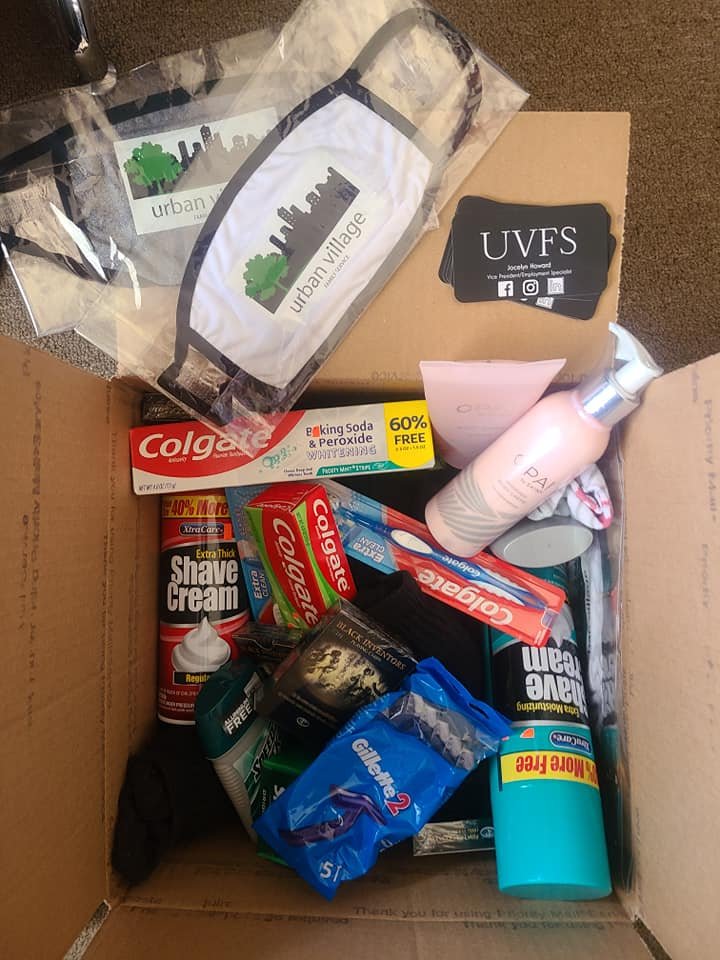
🏠Transitional Housing
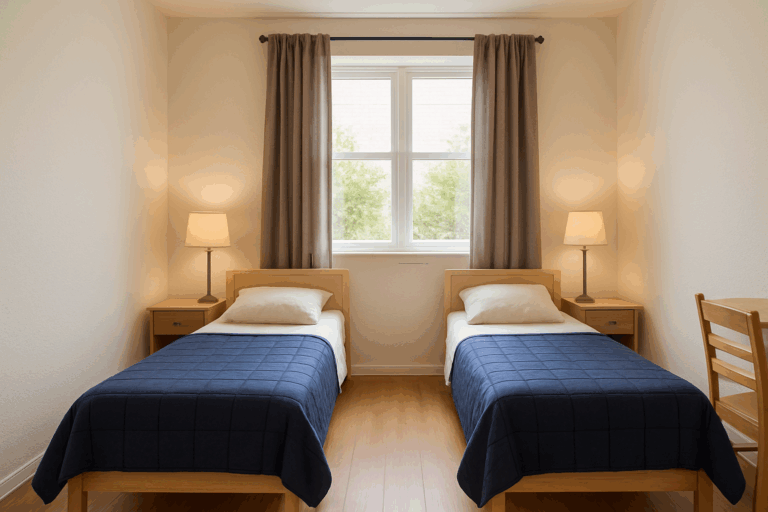
Semi-private rooms, clean facilities, all utilities included
đź’Ľ Employment Assistance
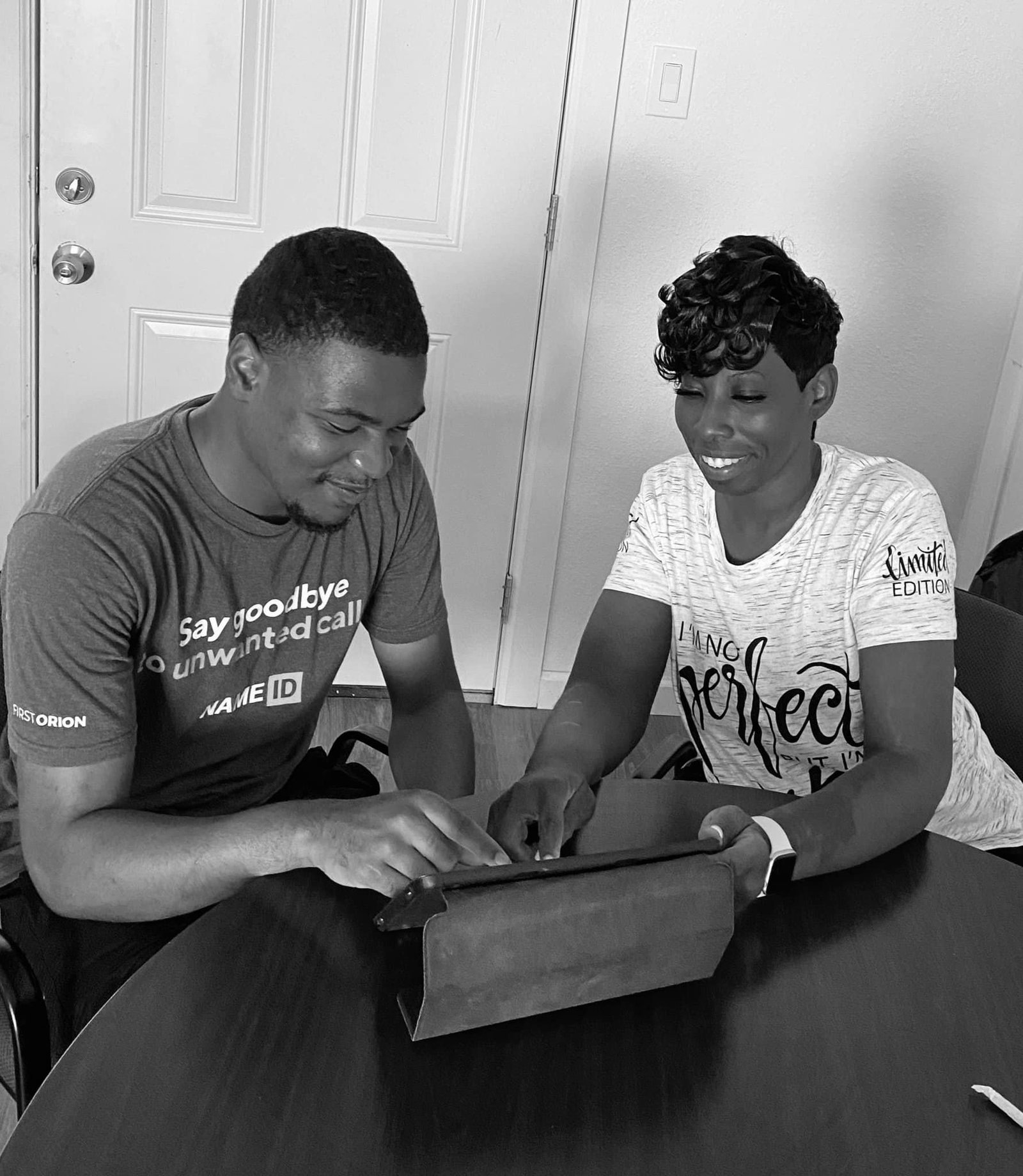
Resume help, referrals, job readiness training
đźš— Transportation
Access to doctor appointments, grocery stores, and job sites
The Hidden Crisis: Housing Insecurity After Incarceration
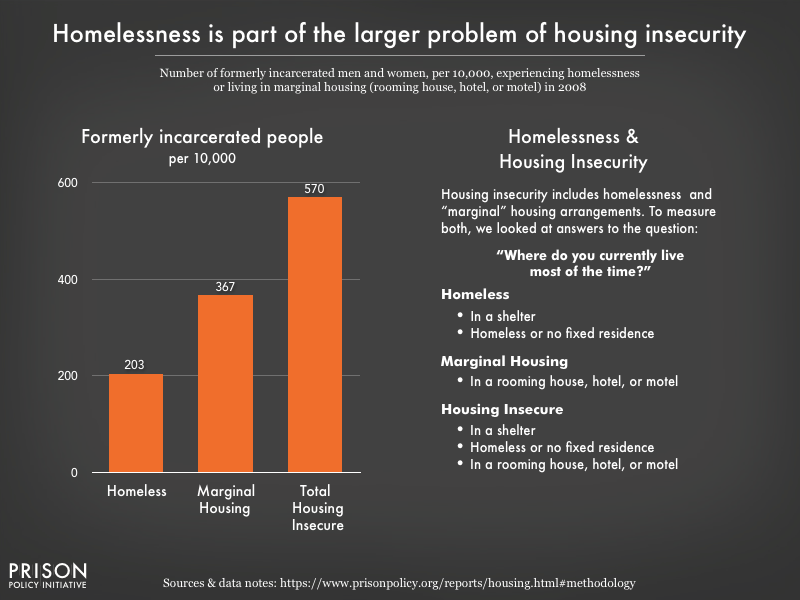
For many formerly incarcerated individuals, the struggle doesn’t end at the prison gates—it continues with the fight for stable housing. According to the Prison Policy Initiative:
203 out of every 10,000 formerly incarcerated people experience homelessness (living in a shelter or having no fixed residence).
367 out of every 10,000 live in marginal housing—such as a rooming house, motel, or boarding situation that lacks permanence or stability.
That means a staggering 570 per 10,000 face some form of housing insecurity.
These numbers are more than statistics—they reflect real people navigating the harsh barriers that follow incarceration, including stigma, legal restrictions, and a lack of support.
What is Housing Insecurity?
Why It Matters